

By Marvin Ashaba
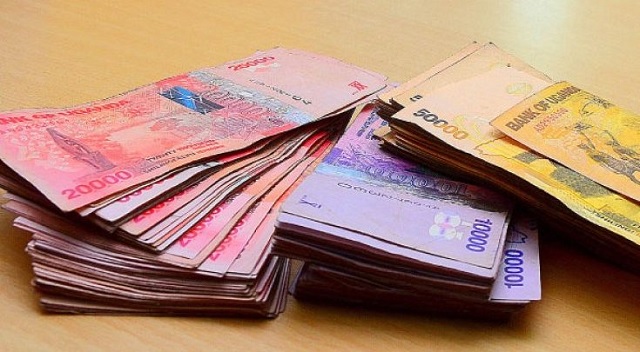
The Uganda Law Society (ULS) has escalated its challenge to the newly enacted Protection of Sovereignty Act, 2026, by launching a Shs2.301 billion “Sovereignty Defense Fund” and revealing how the money will be raised and deployed in a coordinated legal and civic campaign.
The society says it is operating under urgency because the Act has already been assented to by the President, meaning implementation could begin at any time. According to ULS Vice President Asiimwe Anthony, this has triggered rapid mobilisation targeting Ugandans, the diaspora, civil society organisations, and the private sector.
“This window is closing very fast because the bill has already been passed by the President,” Asiimwe said, stressing that legal action must be initiated immediately while constitutional remedies remain available.
At the centre of the plan is a four-part funding and operational framework designed to guide how the Shs2.301 billion will be spent.
The largest share Shs1.220 billion is allocated to litigation and victim support, which includes constitutional petitions in Uganda and potential cases at regional and international levels. ULS says this component will also support journalists, editors, and civil society actors who may be affected by enforcement of the law.
Shs550 million has been earmarked for coalition building and diaspora coordination to strengthen local and international support networks, legal partnerships, and advocacy engagement.
A further Shs266 million will go toward public education and civic awareness campaigns, including media engagements on radio, television, print, and digital platforms aimed at explaining the implications of the law to the public and encouraging civic dialogue.
The remaining funds will support coordination, research, and administrative functions to sustain the campaign.
ULS says the Sovereignty Defense Fund is a structured legal response aimed at defending constitutional governance, rule of law, and fundamental freedoms, while maintaining a “measured, professional, and lawful” approach.
The Protection of Sovereignty Act, 2026, has drawn criticism over provisions that opponents say could affect NGOs, journalists, donor-funded programmes, and international partnerships. The Law Society argues that these provisions may undermine constitutional protections, including Article One on people’s sovereignty and Article 43 on justification for limiting rights.
The society has also confirmed plans to open official donation channels through mobile money and bank accounts, with transparency mechanisms to guide how contributions are collected and used.
Legal observers say the funding structure signals preparation for a prolonged legal battle that could extend into regional and international forums.
The dispute has now evolved into a broader national debate on sovereignty, civic space, and constitutional freedoms in Uganda, with the outcome expected to have lasting implications for governance and civil liberties.
